The transformative power of home – Sára Hecker’s participatory documentary photography series
One of the central questions about contemporary documentary photography is who the right to representation belongs to. The search for a single, absolute truth that traditionally informed the practice of classical photojournalism has given way to multiple truths conveyed through plural narratives. Sára Hecker’s photographic series This is All I Had Wished For offers an example of how people in vulnerable and precarious situations – in this case, those who have experienced homelessness – can be given the opportunity to represent themselves. Created in collaboration with Gyula Balog, Márta Béres, András, Amália Jónás, and Irén Farkasné, the project explores what ‘home’ means after losing it and then finding it again.
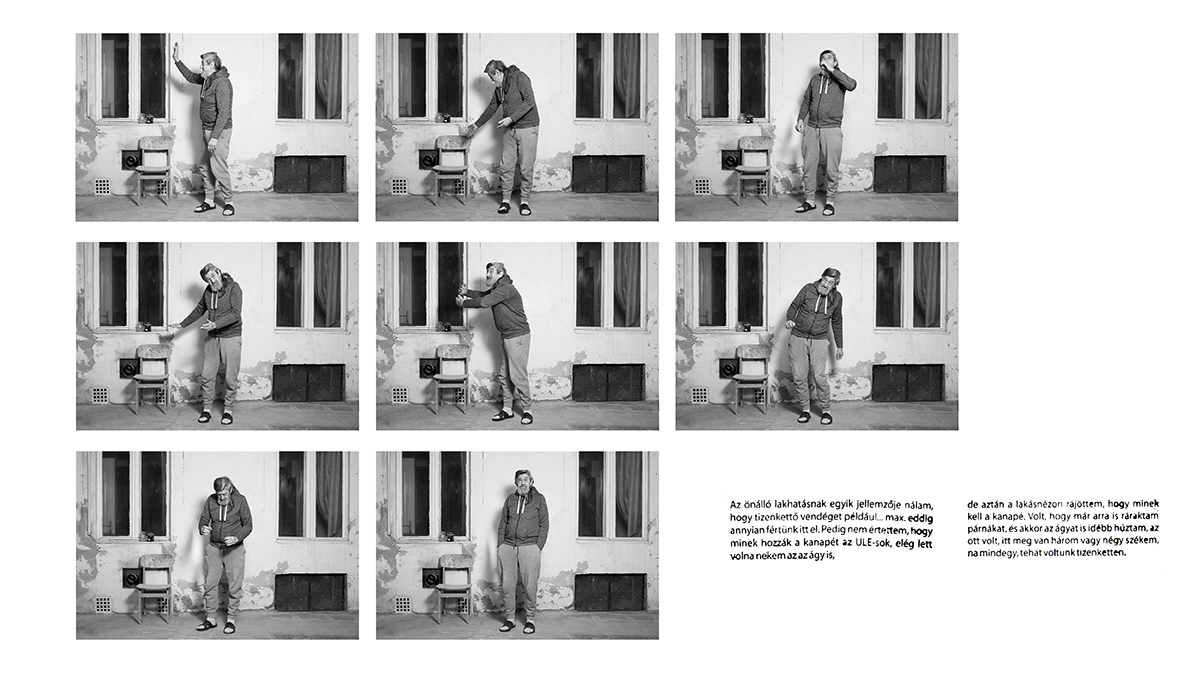
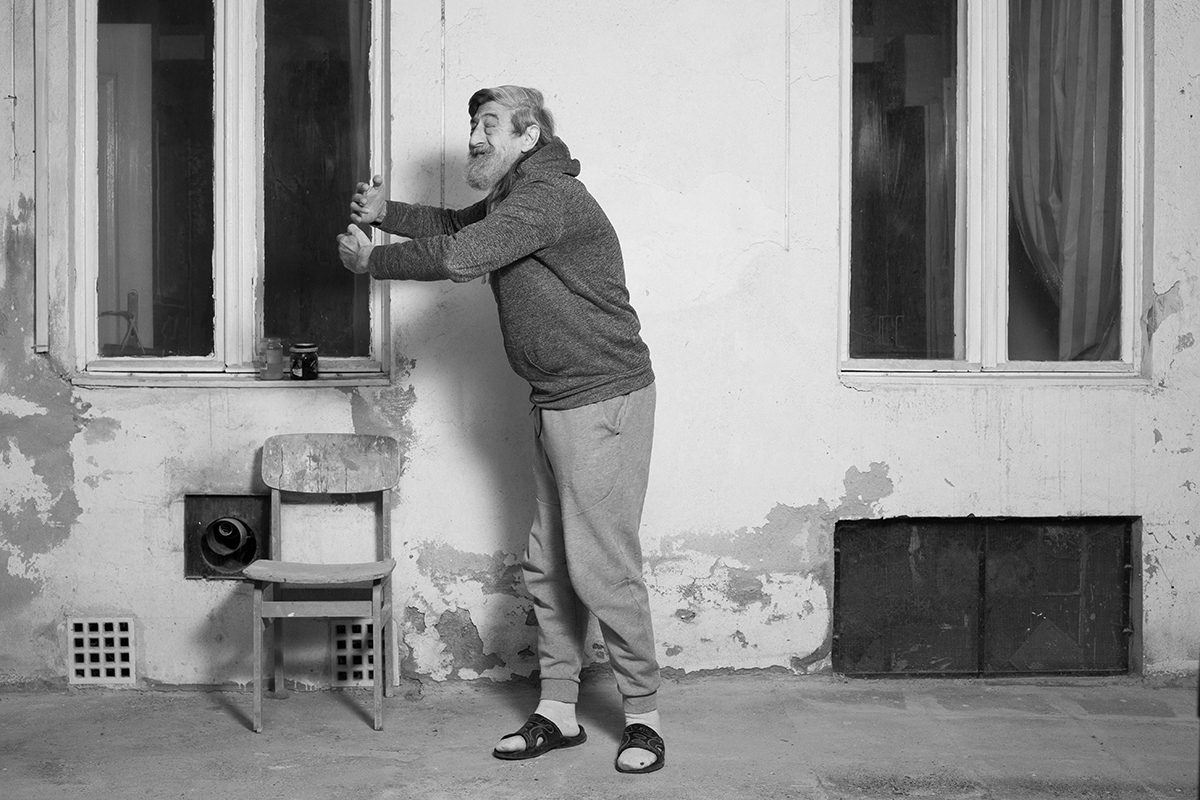
Gyula’s photo sequence. Sára Hecker: This is All I Had Wished For, 2026
Although housing prices and rents have increased significantly in many European cities in recent years, both have risen particularly sharply in Hungary, drastically reducing access to affordable housing. More and more people are losing the security of a stable home and being forced into shelters or onto the streets. High rents and property prices also make it almost impossible to move on from the homelessness support system, turning what are intended as temporary solutions into long-term forms of mass accommodation and making it harder to build a life with dignity. The situation is further exacerbated by the limited availability of municipally owned housing, even though a stable and accessible social housing system could significantly ease the crisis in the long run.
The project presents the situation in Budapest through the eyes of five people who experienced homelessness for many years. Thanks to social housing, all five have now had the opportunity to make a fresh start, and they revisited their memories from the security of their own homes. Through their stories, I explore what ‘home’ means after losing it and then finding it again.
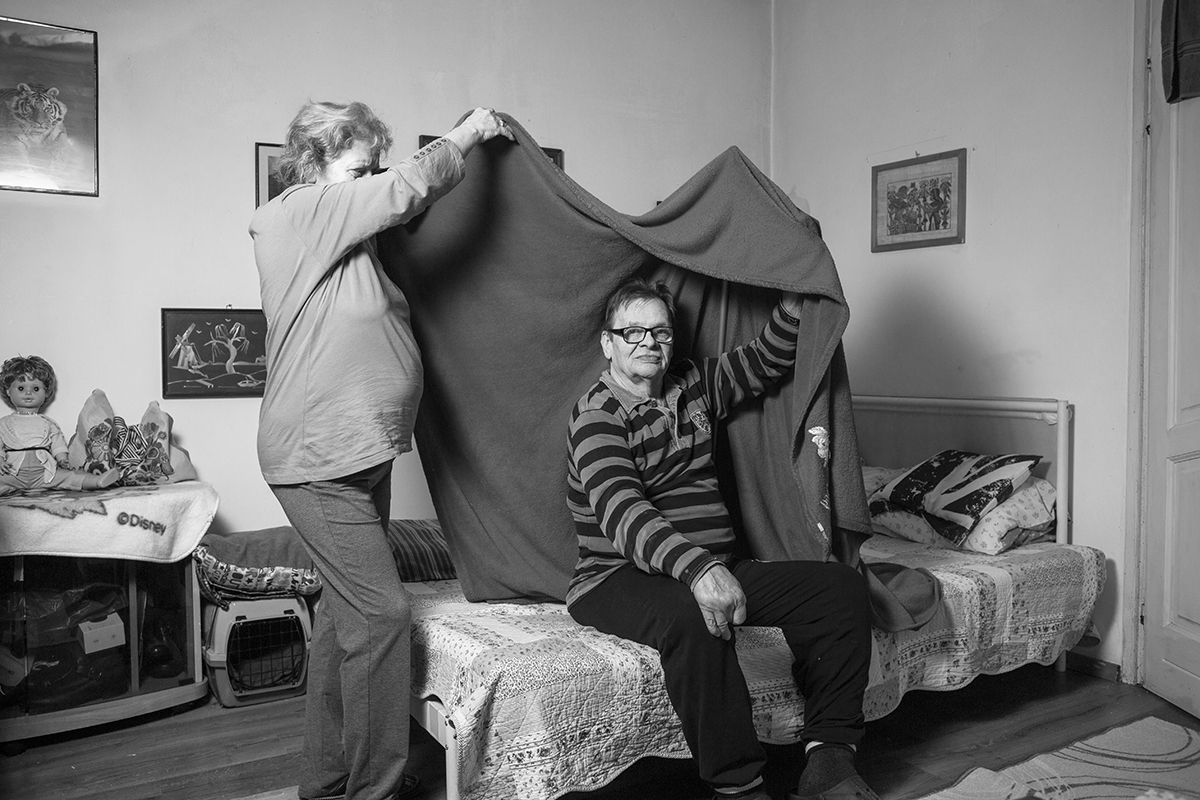
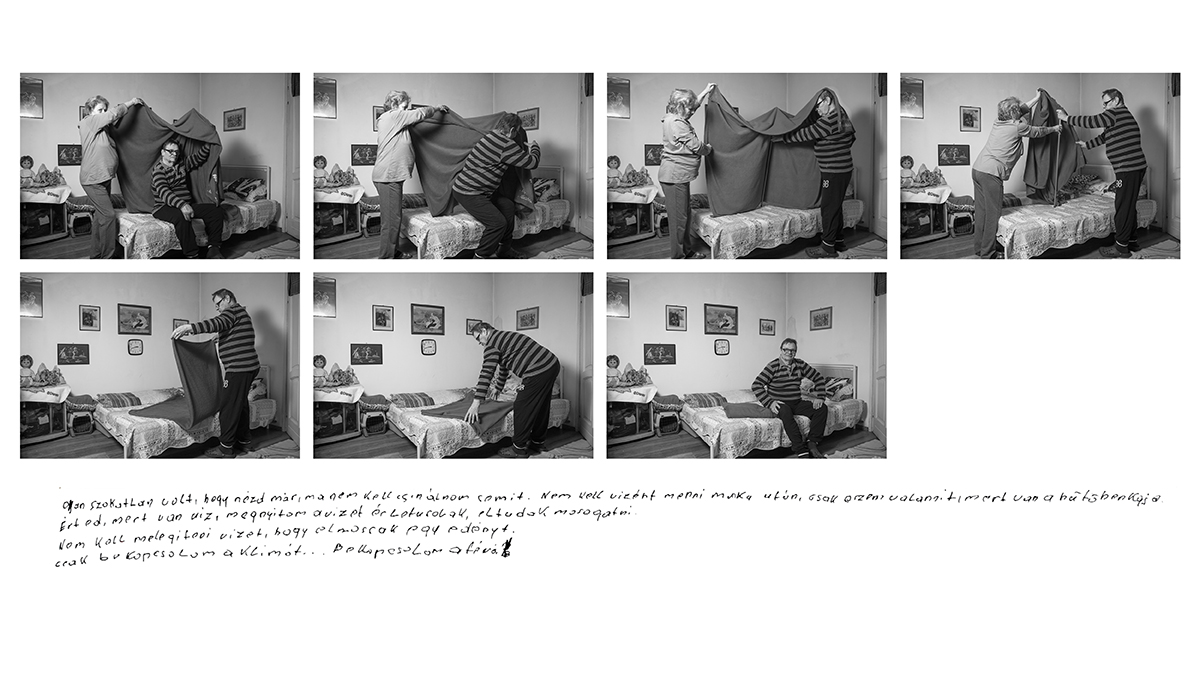
András’ photo sequence. Sára Hecker: This is All I Had Wished For, 2026
Preserving dignity
The creative process was preceded by extensive research. Alongside reviewing studies and reports on housing and homelessness, I spoke with experts and representatives of civil society organisations to gain a meaningful understanding of the complexity of the issue. I also learned about the Housing First approach, which views homelessness not as a personal failure, but as a condition resulting from the lack of housing. According to this model, the first and most urgent step is to provide people with stable housing. Other forms of social support are offered only afterwards, if they want or need them.
Homelessness has long been a recurring theme in the history of documentary photography, particularly in photojournalistic work focused on visible poverty. For this reason, I felt it was important to approach the subject from a different, less explored perspective. I believe that highlighting effective approaches to the housing crisis and homelessness can be more constructive than repeatedly depicting the problem itself and reproducing images of suffering. My aim was to portray the participants in a way that preserved their dignity, so I placed the transformative power of having a home of one’s own at the centre of the project.
Irén’s photo sequence. Sára Hecker: This is All I Had Wished For, 2026
Nothing about us without us
I first got in touch with Gyula Balog, who works as an expert by experience and was extremely supportive of the project. Through him, I met Márta Béres, András, and Amália Jónás, who later also joined the collaboration. The fifth participant was Irénke Farkasné, together with her family, whom I met through the From Streets to Homes Association.
At first, I took a conventional documentary approach: I photographed the participants’ homes, how they had furnished them and how they used the space, and I also made portraits of them. Even at this stage, I tried to involve them more actively. We decided together where the photographs should be taken and which images should be included in the final selection, and we also began creating light-painted images collaboratively.
As the project evolved, it became increasingly important to me to involve the participants as genuine creative collaborators, to ensure that the work was not simply about them, but created with them. I did not want to recreate situations in which they had no control over either their circumstances or how they were portrayed in public. This led me to focus my research on the theory and practice of participatory methods in documentary photography.
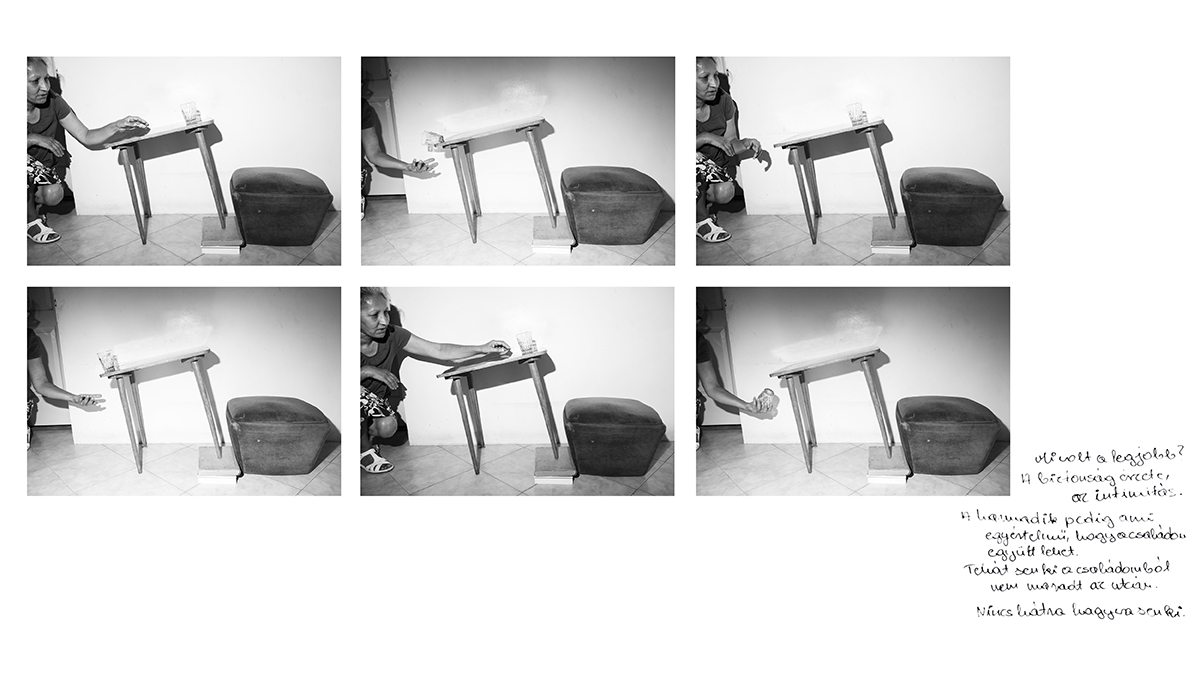
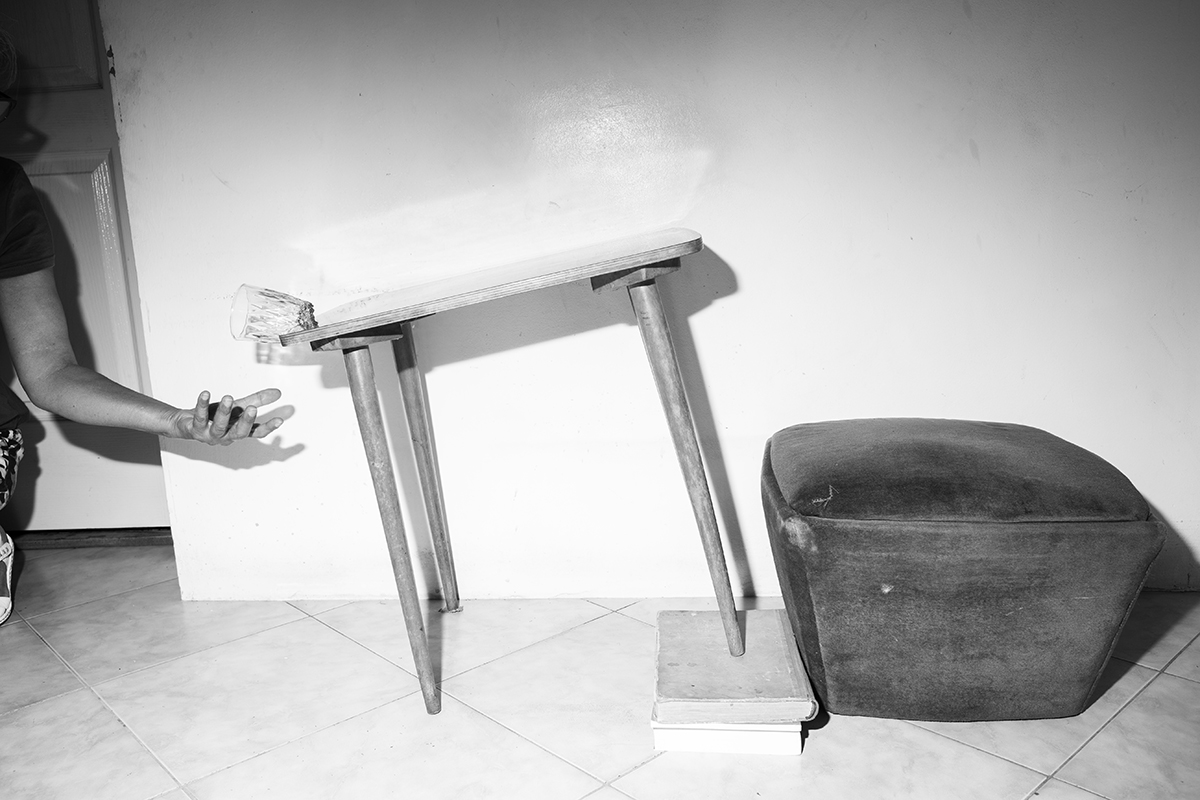
Amália’s photo sequence. Sára Hecker: This is All I Had Wished For, 2026
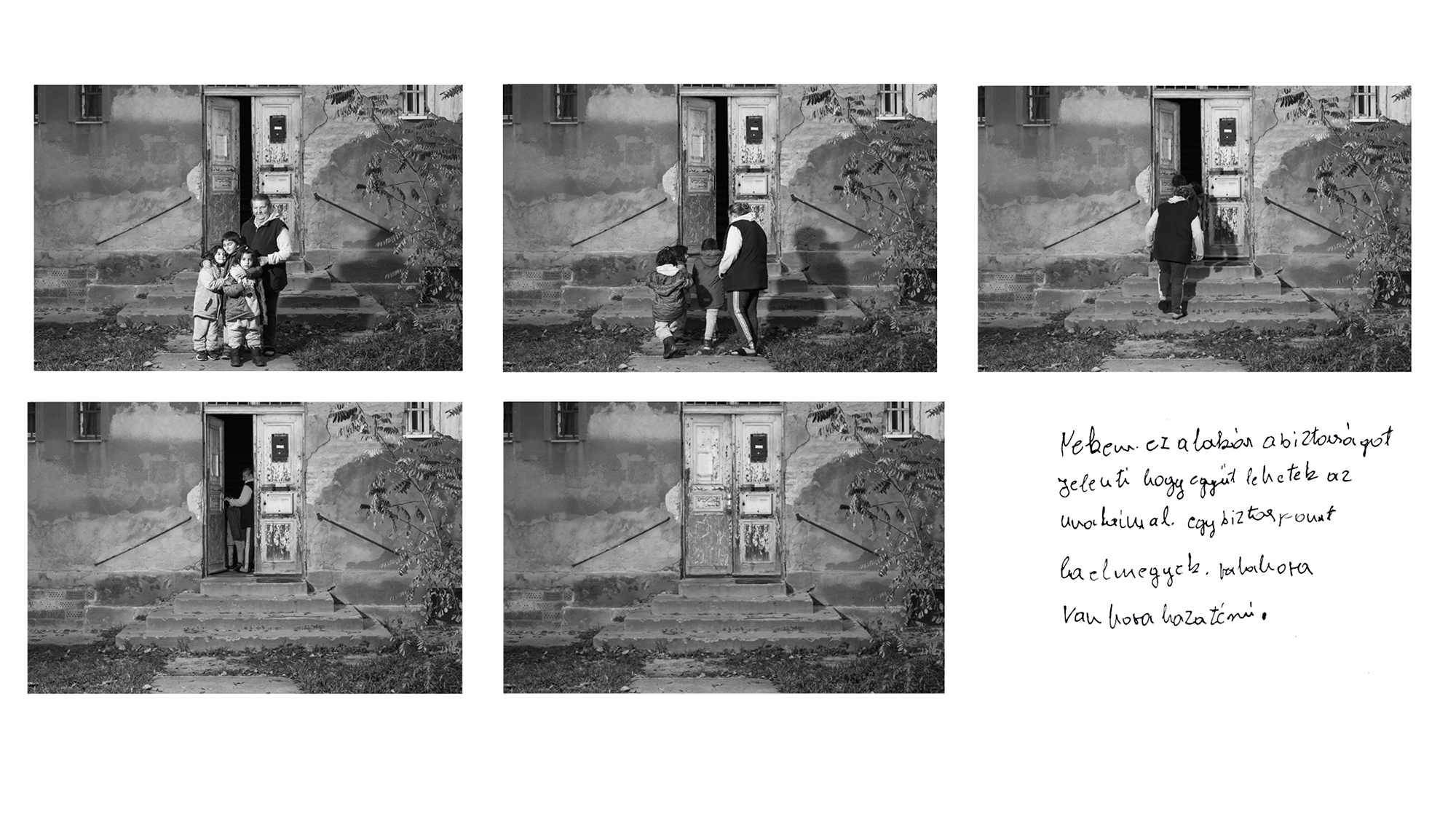
I began with a simple observation: each participant highlighted a different aspect of their new home. For Irénke, security mattered most; for Márta and András, it was comfort; Amália emphasised the intimacy of having a private space; while for Gyula, it was finally being able to welcome guests into his home. Together, we gave these values visual form through a series of performative scenes rooted in the participants’ life stories. András, for example, had worked as a technical draughtsman, so his drawing skills became a central element of his series. Gyula had previously performed in theatre productions, so we drew extensively on his experience as a performer. In addition to developing the ideas together, we discussed every stage of the process in detail and jointly selected the final images.
The composed sequences capture both the struggle to secure housing and the experience of finding a home. A tent built from blankets collapses, and the blanket resumes its original function. A glass slides back and forth across a table until someone finally catches it. Someone welcomes guests outside their flat with nothing in their hands – home is at once absent and present. A drawing of a forest hut slowly disappears, revealing the image of a home concealed behind it. An open door closes, creating a sense of security. The sequences transform the participants’ personal stories into visual metaphors and present them as gradual processes, reflecting how the changes that brought stability to their lives also unfolded step by step.
In the accompanying video, the participants tell their stories in their own words. They do not appear on screen; instead, their voices are set against images of Budapest’s streets, housing estates, suburban homes, and more affluent or deprived neighbourhoods. The contrast between the stories we hear and the images we see conveys the extent of the injustices they have experienced.
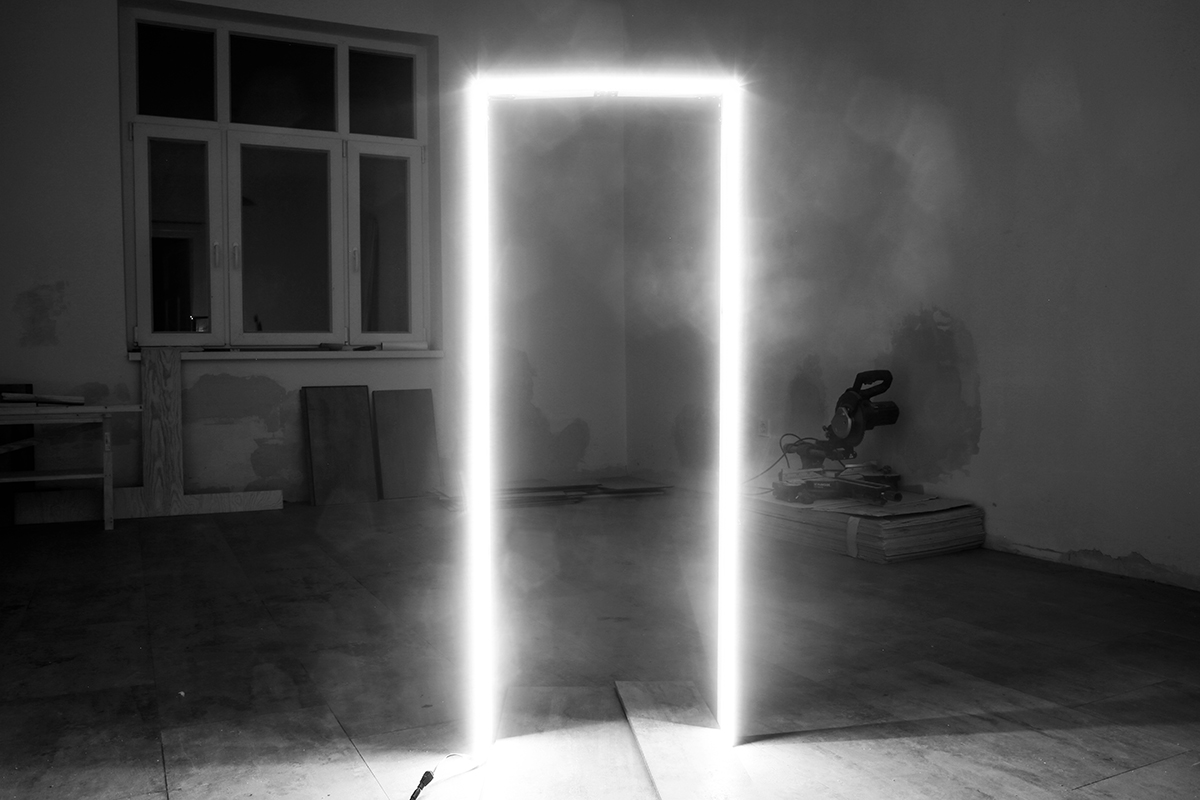
The gateway of light. Sára Hecker: This is All I Had Wished For, 2026
A photograph taken in a social housing flat under construction provides a transition between the video and the photographic sequences. The ‘gateway of light’ pictured in the photograph, which I built with my grandfather, symbolises a new beginning. In contrast to the sequences and the video, this image conveys stability rather than movement.
From art to activism
I also wanted the project to reach a wider audience, so I worked with graphic designer Borbála Károlyi to create a zine presenting the structural factors exacerbating Budapest’s housing crisis and the circumstances of economically vulnerable social groups. The zine opens with an introduction setting out the broader context, followed by excerpts from interviews with the project participants, in which they discuss homelessness services, the experiences of mothers with young children who have faced homelessness, and the opportunities that having a new home has brought them. Some of the photographs were taken in the participants’ homes, with others documenting housing demonstrations and marches.
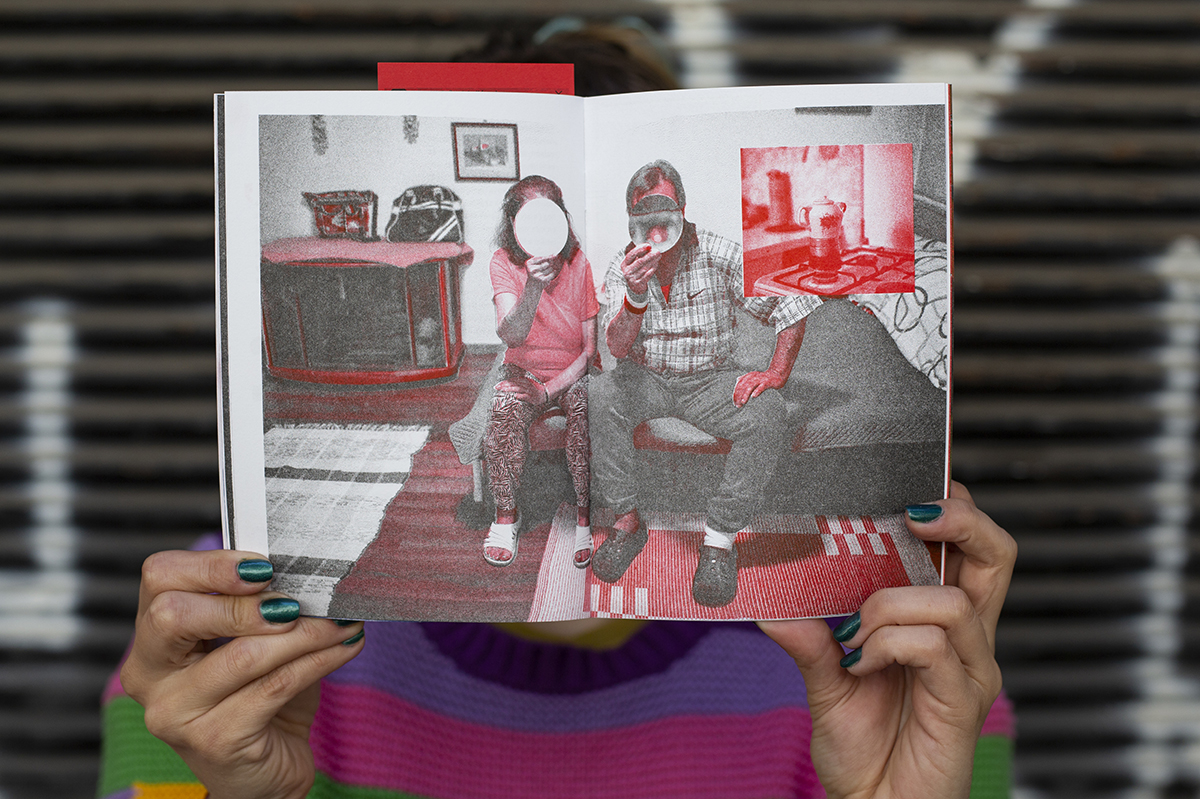
Hol fogunk lakni? (Where are We Going To Live?). a zine made by Sára Hecker and Borbála Károlyi, 2026
We printed sixty copies of the zine, which I am selling through a Facebook campaign as an ambassador for the From Streets to Homes Association. The proceeds go directly towards supporting the association’s work. My aim is to contribute to the fight for housing justice not only as an artist and researcher, but also through activism and financial support.
// /
The project was completed as part of the Photography MA programme at the Moholy-Nagy University of Art and Design, under the supervision of supervisor and consultant Anna Fabricius.
As we worked on the project together, the participants and I shared many conversations and plenty of laughter – experiences that gave me a more nuanced understanding of the housing crisis and the complex realities of homelessness. I was honoured that Márta and András, Gyula, Amália, and Irénke welcomed me into their homes and shared their memories and experiences with me.
Beyond the participants themselves, I would also like to thank the From Streets to Homes Association for their work and for placing their trust in me; my mentor, Anna Fabricius; my teachers; Gábor Arion Kudász, Judit Gellér, Krisztina Erdei, Ábel Szalontai, and Márton Ballagó for their help in setting up the exhibition; and, of course, Bori Károlyi for working with me to create the zine.