“How can I be a designer without visual imagination?” – Csenge Lázár’s project about aphantasia
Few people have probably heard of aphantasia. It is a cognitive trait characterised by a reduced ability or complete inability to form mental images. Someone with aphantasia might know that an apple is red and round, brightly lit on one side and darker on the other, without actually being able to picture it in their mind’s eye. This does not mean they lack creativity; it simply means their mind works differently. In her research-based project titled Nézeteltérés – Image-less Archive, Csenge Lázár explores her own experience of aphantasia and how it shapes her approach to design.
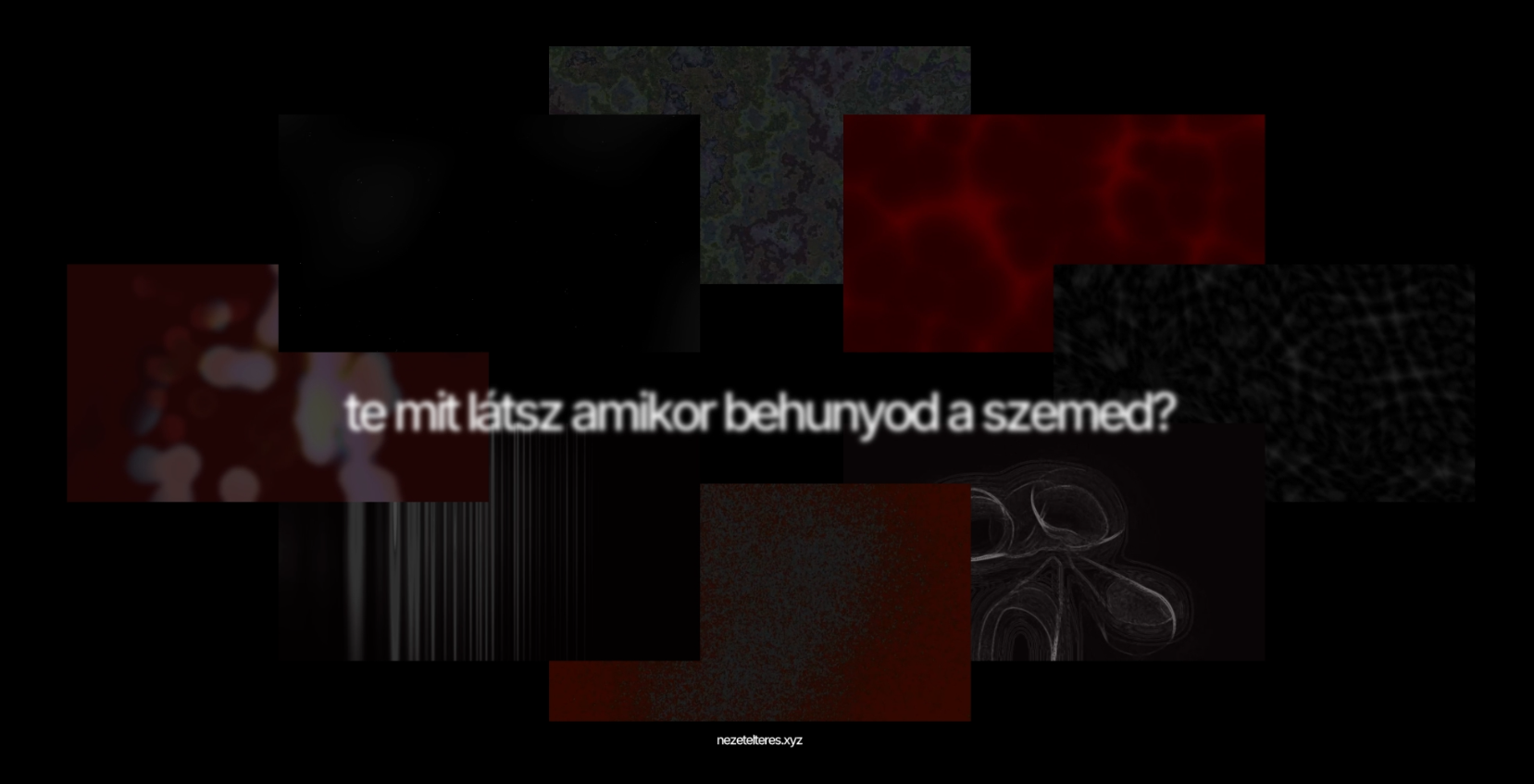
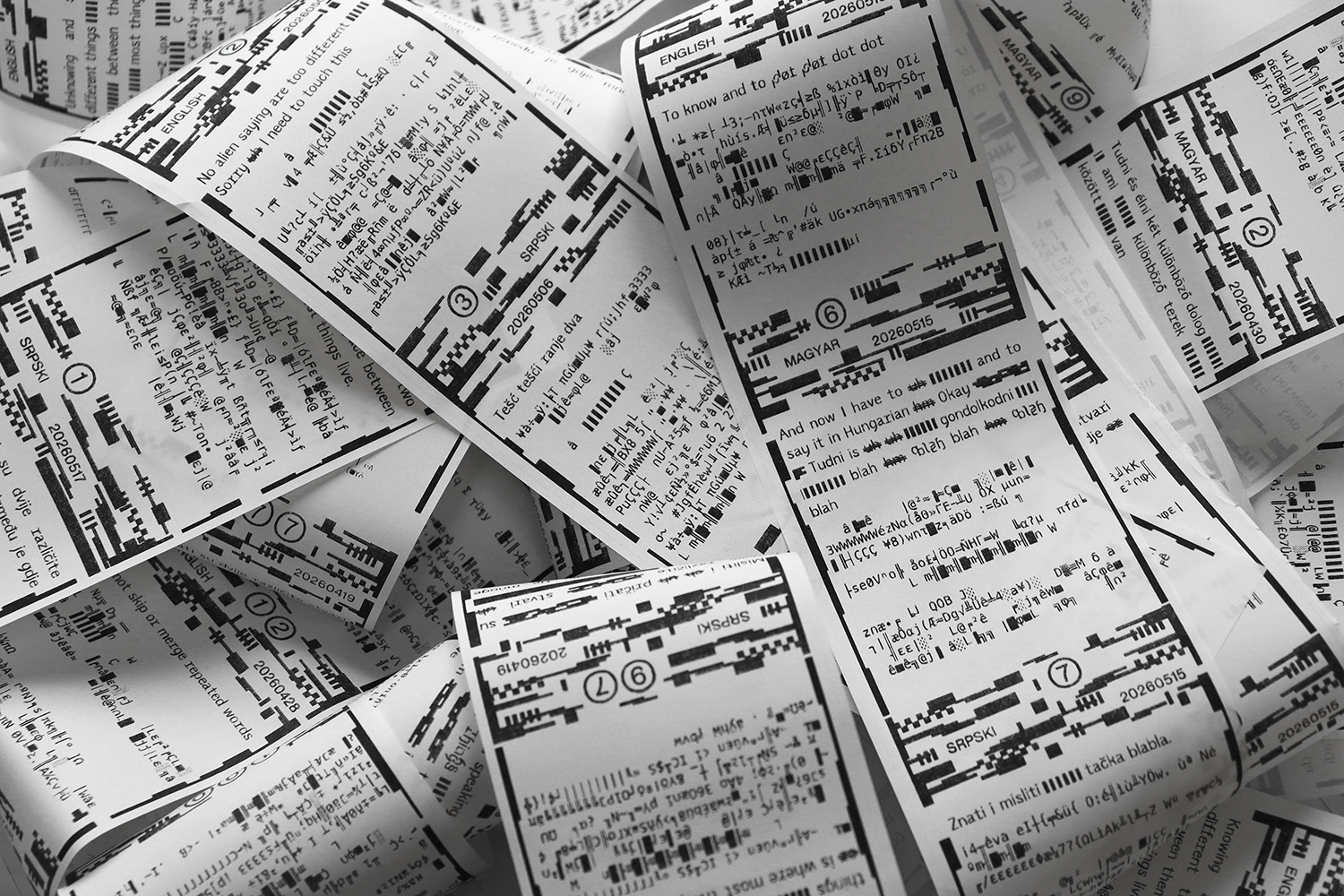
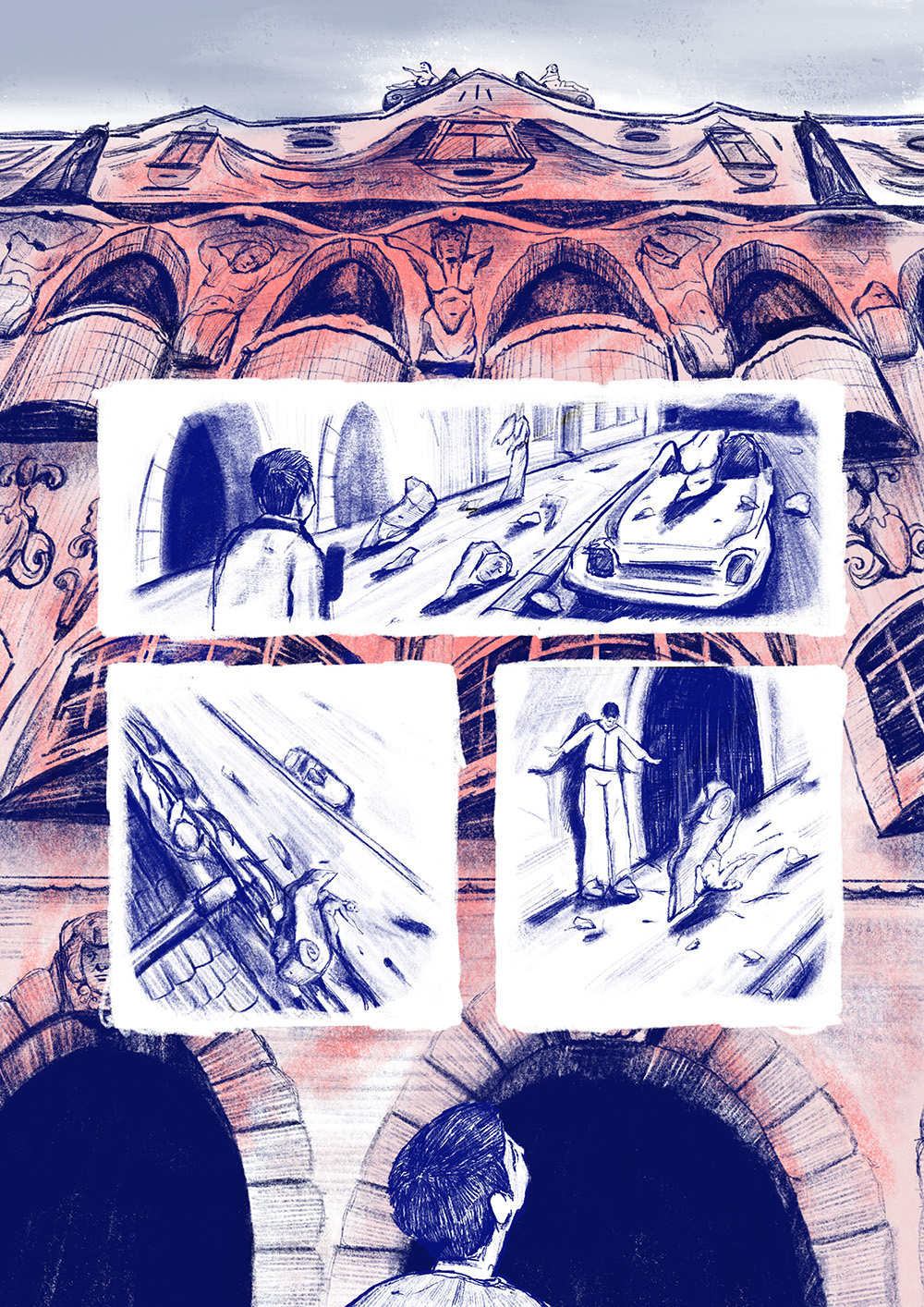
Csenge Lázár: Nézeteltérés – Image-less Archive, 2026
A designer without visual imagery
Csenge had never questioned her ability to form mental images. She simply thought she was just not very good at recognising faces and only discovered aphantasia when a fellow student mentioned it at university. “I always thought that counting sheep before falling asleep was just a metaphor, and that people got tired from counting out loud. It never occurred to me that they actually saw the scene in their mind’s eye.” It’s a fascinating realisation, especially when you consider how easily one might assume that aspiring designers can picture their ideas as clearly as if they were holding the finished designs in their hands. Csenge, however, thinks in words rather than images.
What does it mean to be unable to conjure up mental images? Does it mean you cannot recall memories or the faces of loved ones? Does it mean you see nothing even in your dreams? We rarely talk about the fact that our inner world is not experienced through images alone. We can draw on other senses, too – touch, hearing, smell, and even our sense of movement – when recalling memories or dreaming. “I have a very strong sense of bodily sensations in my thoughts, particularly in my dreams. I can evoke these sensations through narration, but I can also mentally recreate the feeling of movement through my body.”
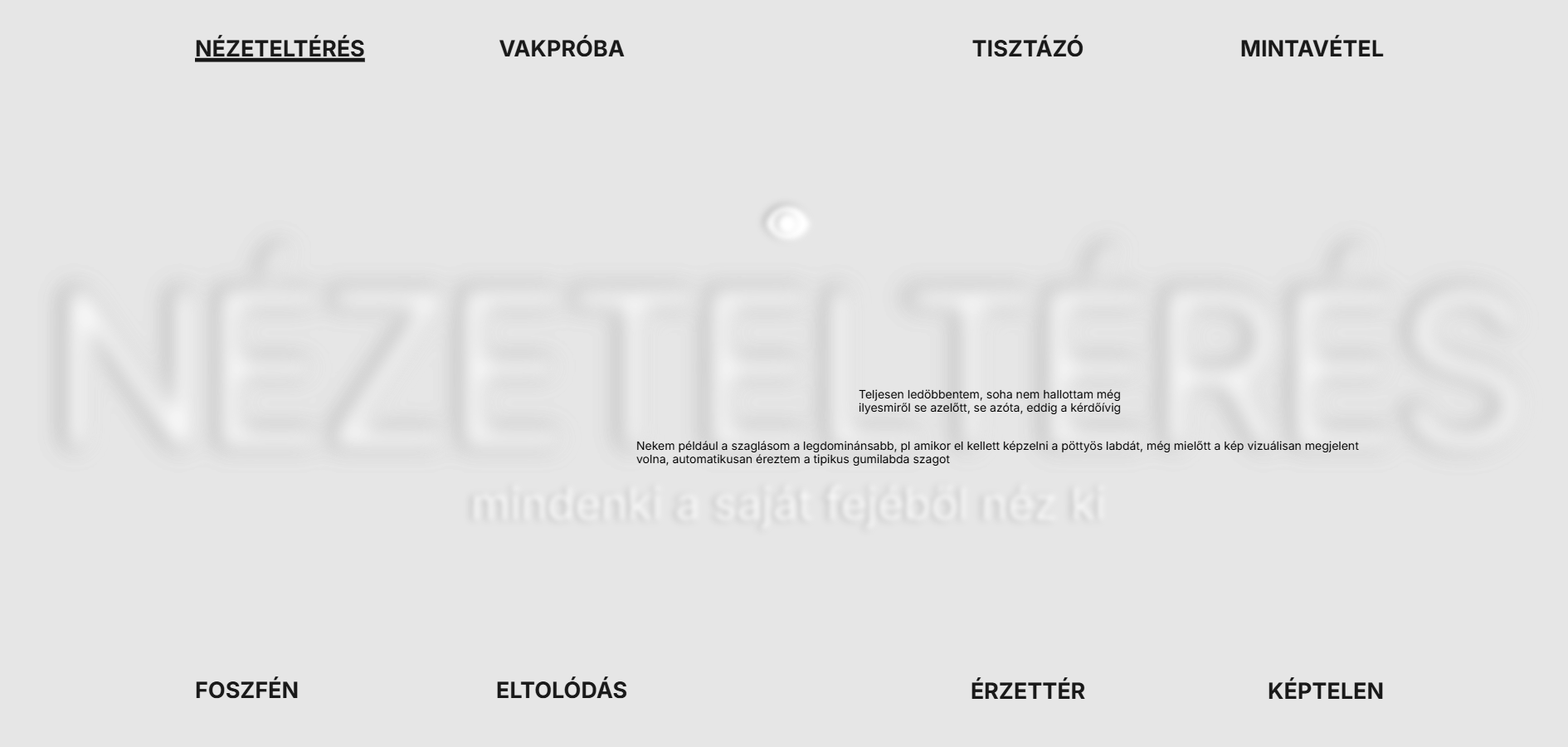
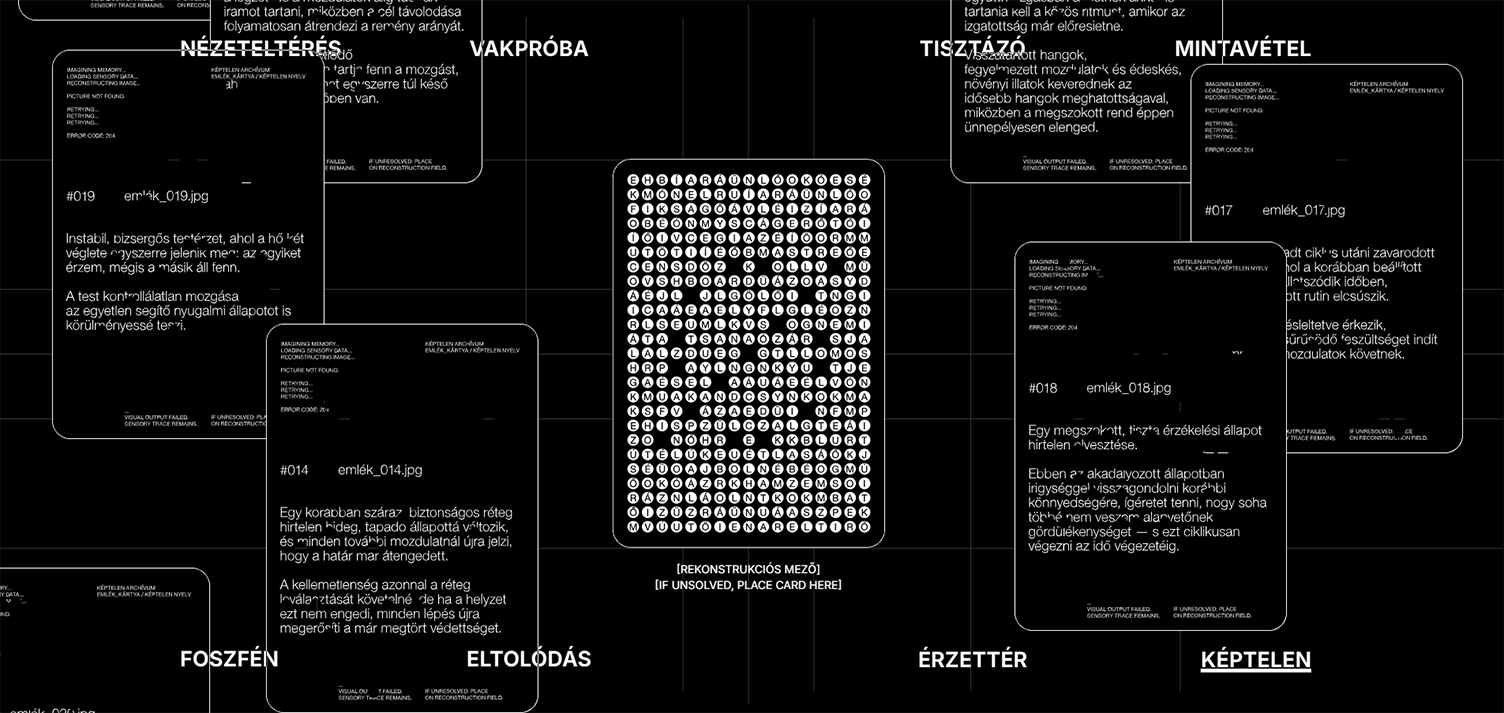
The website of Nézeteltérés – Image-less Archive.
“What do you see when you close your eyes?”
For her project, Csenge developed her own theory of the “blind test” and created a bespoke questionnaire inspired by existing aphantasia tests. It placed respondents on a spectrum ranging from aphantasia to hyperphantasia. One of her aims was to reach people who had never even heard of the phenomenon, allowing her to work with a more diverse set of responses. The most intriguing aspect of the test was that its outcome could not be predicted in advance: there were no predefined categories or scales for respondents to use to classify themselves. Nearly 300 people took part, and their intriguing responses, along with the questions they raised afterwards, informed the development of Nézeteltérés, a website [1] Csenge went on to design, complete with an interactive card game.
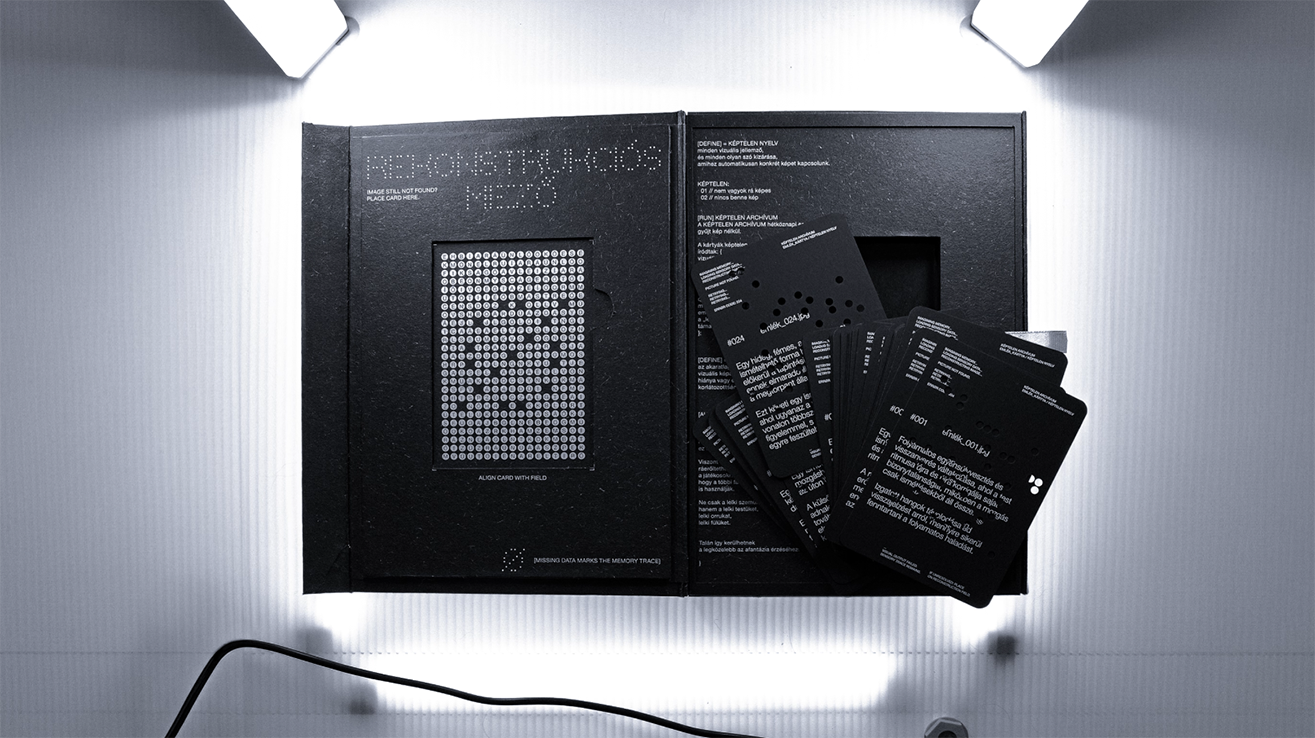
The card game of Image-less Archive.
Image-less Archive
Through the game, available in both physical and online formats, Csenge wanted to convey the experience of aphantasia as vividly as possible. The archive contains descriptions of familiar, everyday experiences that most people can relate to. However, by expressing them in the “image-less language” she developed, Csenge prevents the mind’s automatic formation of a mental image associated with each experience:
“A small part of yourself, once taken for granted, gradually becomes loose and mobile, prompting you to check its position with your tongue again and again. This unfamiliar looseness is both repulsive and exciting, until, after detachment accompanied by a metallic taste, it leaves behind a strange, almost proud sense of loss.”
In other words, you lose a tooth.
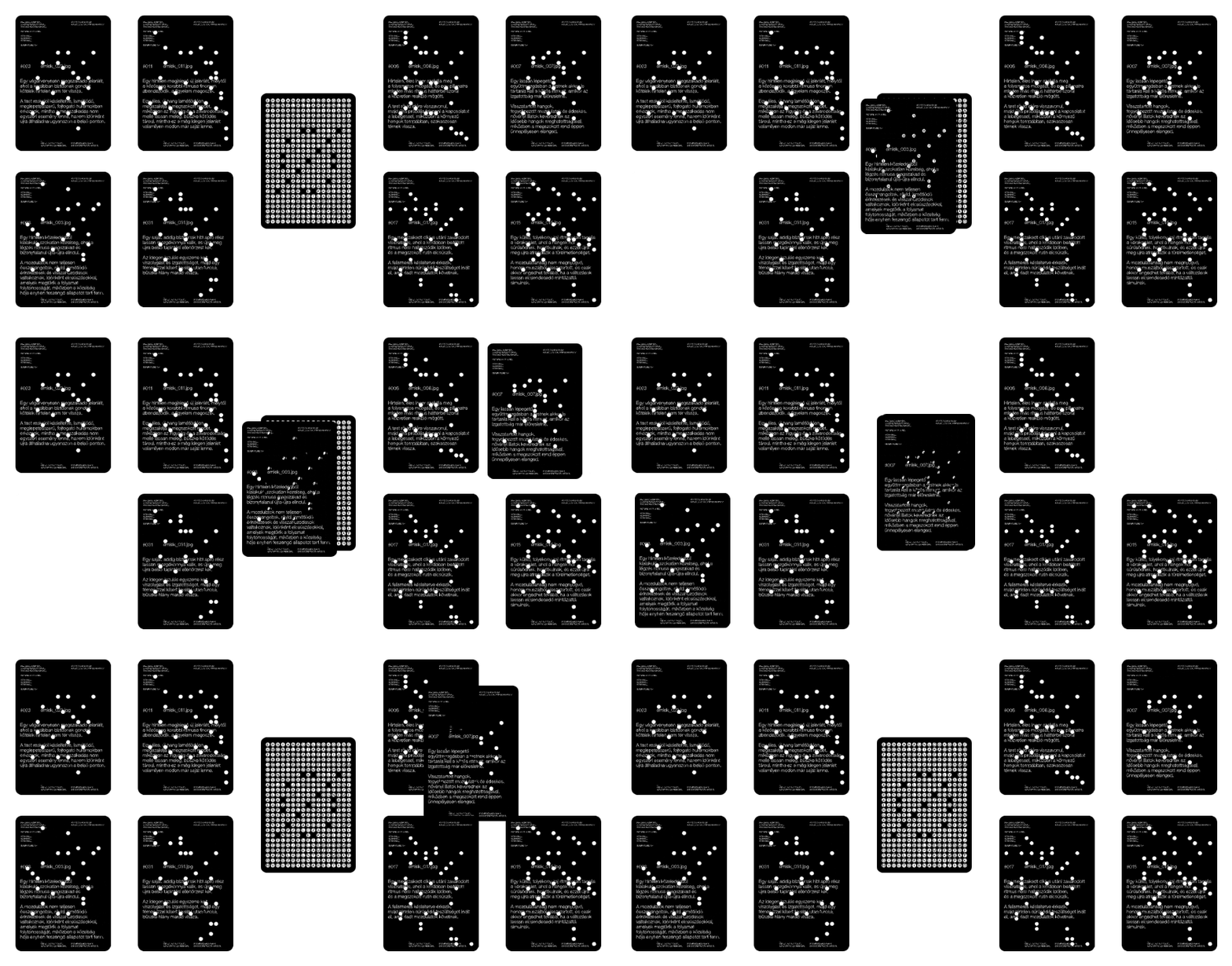
The cards of Image-less Archive.
The aim was to encourage people not so much to picture the scenes described as to feel them. Most of the cards therefore feature descriptions rooted not in visual imagery but in vivid physical sensations. To decipher these “memories”, players must rely on their other “inner senses”. The holes in the thought cards make them harder to read and interpret, but the missing words become legible when placed against the reconstruction field, revealing the answers.
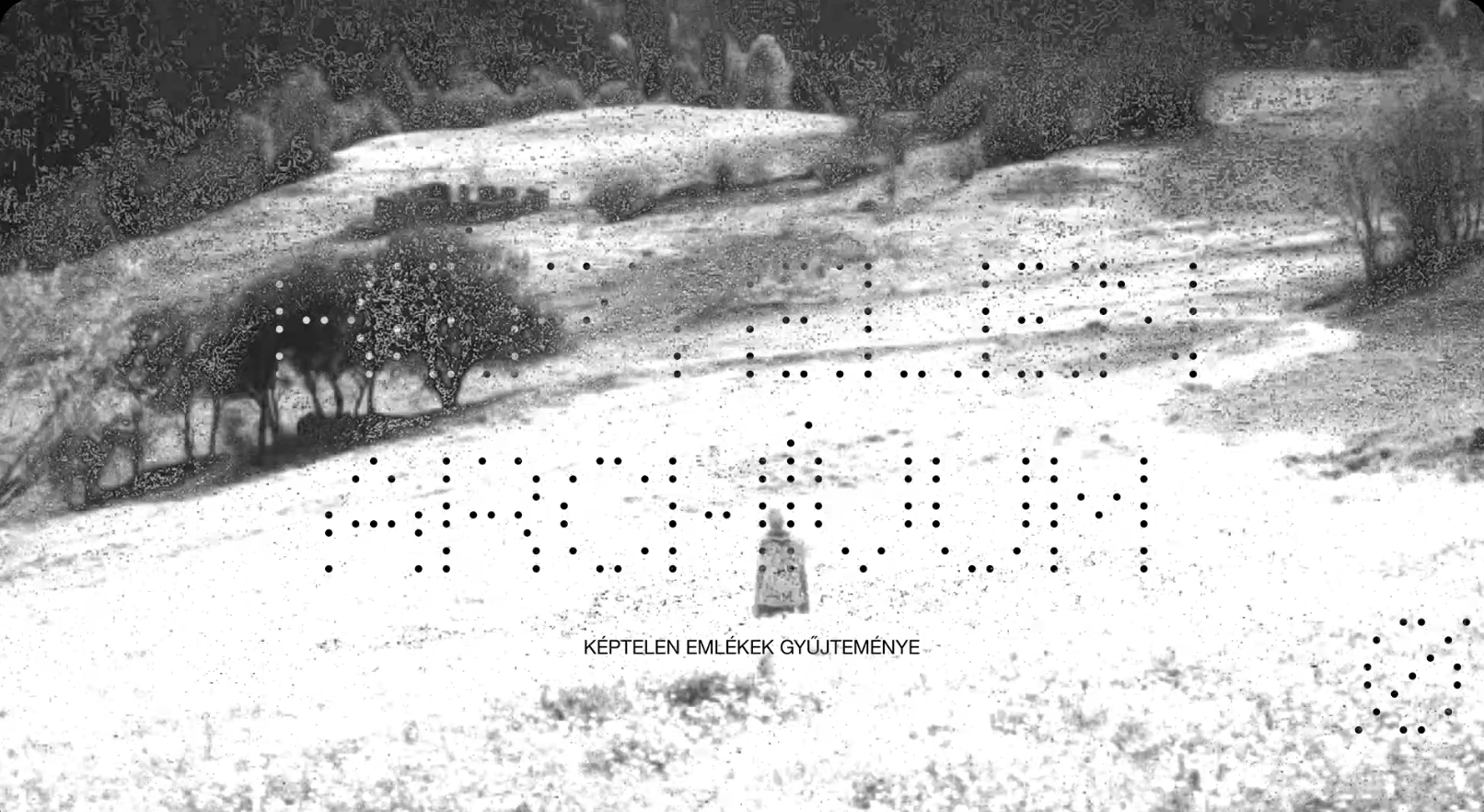
Still from the promotional video of Image-less Archive.
Csenge does not view her own aphantasia negatively or consider it a limitation. Instead, she sees it as key to her creativity, because
“reality could never fit into a single perspective; every mind cuts its own unique piece from it”.
// /
[1] The website is currently available in desktop view as the mobile view is under developement.
The project was developed at MOME’s Graphic Design BA under the supervision of Péter Bence Simon and Borbála Tölgyesi, and with the help of Afantázia research group. The Image-less Archive received the 2026 Stefán Lengyel Scholarship of Excellence award.